


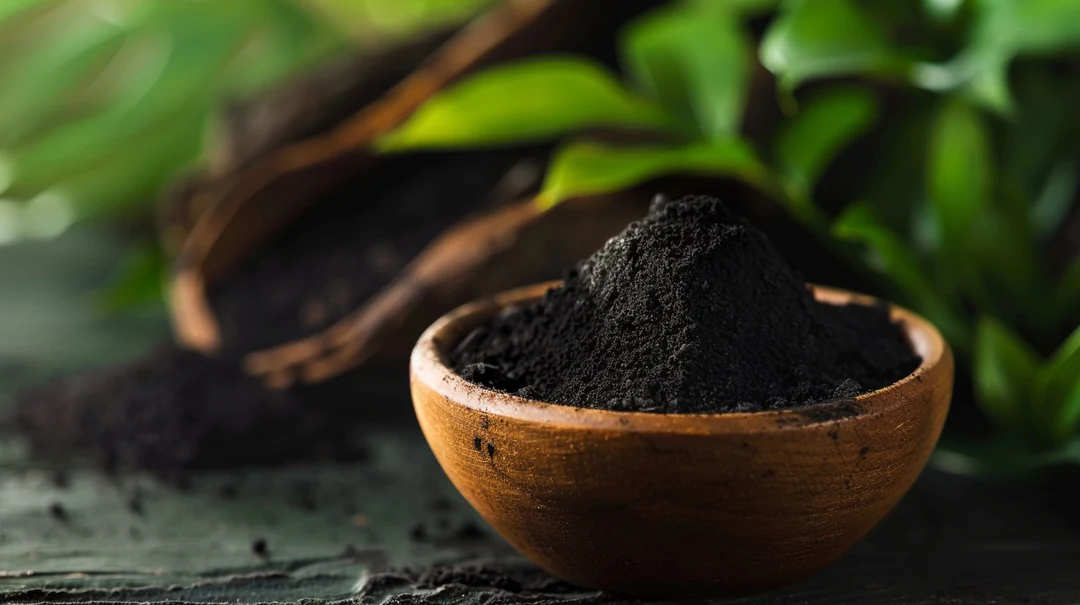

In modern agriculture, the use of amino acid fertilizers has gained significant attention as a natural and effective solution for improving plant growth and increasing agricultural product yields. Amino acids, as the building blocks of proteins, play a key role in plant metabolism and have a positive impact on growth, stress resistance, and nutrient uptake. This article examines the advantages, types, and application methods of amino acid fertilizers.
Advantages of Using Amino Acid Fertilizers
- Increased plant growth and development: Amino acids stimulate cell growth and enhance chlorophyll production.
- Increased stress resistance: These fertilizers help plants withstand environmental stresses such as drought, salinity, cold, and heat.
- Improved nutrient uptake: Amino acids enhance root access to nutrients and improve their absorption.
- Increased product yield and quality: The use of these fertilizers leads to better quality of fruits, vegetables, and grains in terms of taste, color, and shelf life.
- Environmental compatibility: These fertilizers are organic and have fewer negative environmental impacts compared to chemical fertilizers.
Types of Amino Acid Fertilizers
- Plant-derived amino acid fertilizers: Extracted from plant sources and typically contain a high amount of free amino acids. This type is suitable for organic farming.
- Animal-derived amino acid fertilizers: Obtained from the hydrolysis of animal proteins and contain high levels of essential amino acids.
- Combined fertilizers: These include a mix of plant and animal sources, providing a balanced supply of amino acids.
How to Use Amino Acid Fertilizers
- Foliar application: This method allows for rapid absorption of amino acids through the leaves and has an immediate effect on plant growth.
- Soil application: Adding these fertilizers to the soil improves microbial activity and increases nutrient absorption by roots.
- Irrigation system injection: Liquid amino acid fertilizers can be applied in drip or flood irrigation systems for even distribution across the field.
Important Notes on Using Amino Acid Fertilizers
- The application rate should be adjusted based on the type of plant, growth stage, and environmental conditions.
- Combining these fertilizers with other fertilizers and pesticides should be done carefully to prevent chemical incompatibilities.
- Regular use of amino acid fertilizers during critical growth stages (such as flowering and fruiting) will yield better results.
Conclusion
Amino acid fertilizers are an effective, natural, and sustainable option for improving plant growth and performance. These fertilizers not only strengthen the plant’s immune system and increase its resistance to stresses, but they also improve the quality and quantity of agricultural products. Given the numerous advantages of these fertilizers, their correct and proper usage can assist farmers in achieving healthier and more sustainable productions.