




Proper plant nutrition is one of the most important factors in increasing agricultural yields, improving fruit quality, and enhancing plant resistance to environmental stresses. For optimal growth, plants require a range of nutrients, each of which plays a specific role in biological processes, root development, leaf formation, flowering, and crop production. However, a plant’s nutritional requirements are not the same throughout all stages of growth, and fertilizer selection should be based on the growth stage, crop type, soil conditions, and the plant’s nutritional needs.
The proper use of agricultural fertilizers can improve land productivity while preventing nutrient losses and unnecessary expenses for farmers. In this article, we will explore the types of fertilizers used at different stages of plant growth and the principles of developing an appropriate fertilization program.
1. The Importance of Nutrient Supply in Plant Growth
Plants require both macronutrients and micronutrients to complete their growth cycle. Macronutrients include nitrogen, phosphorus, and potassium, which plants generally need in relatively large quantities. In addition to these elements, calcium, magnesium, and sulfur also play important roles in plant growth and productivity.
Micronutrients such as iron, zinc, manganese, copper, boron, and molybdenum are essential for enzyme activity, the formation of new tissues, and metabolic processes, even though plants require them in smaller quantities.
A deficiency in any of these nutrients can lead to reduced growth, yellowing leaves, weak root systems, decreased flowering, or lower crop quality. On the other hand, excessive fertilizer application may increase soil salinity, disrupt nutrient balance, and damage plant roots.
Therefore, the goal of proper fertilization is not simply to increase the amount of fertilizer applied, but to provide plants with a balanced and timely supply of nutrients.
2. Choosing the Right Fertilizer During the Vegetative Growth Stage
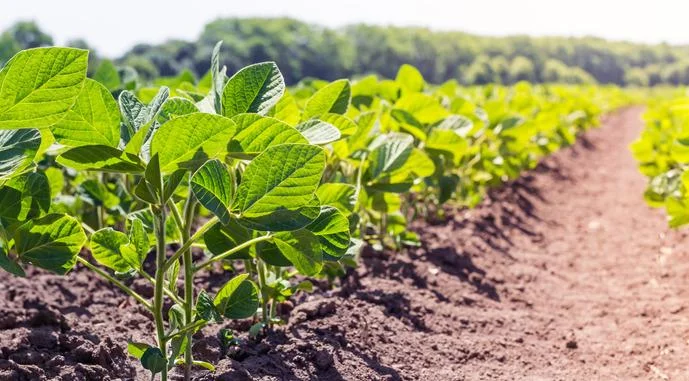
The vegetative growth stage is the period during which plants use a significant portion of their energy and nutrients to develop roots, stems, and leaves. During this stage, nitrogen supply is particularly important because nitrogen plays a vital role in the formation of proteins, chlorophyll, and many other essential plant compounds.
Nitrogen Fertilizers
Nitrogen fertilizers, such as urea, ammonium nitrate, and other nitrogen sources, are used to support vegetative plant growth.
Ammonium nitrate contains nitrogen in both nitrate and ammonium forms and can supply part of a plant’s nitrogen requirements under suitable conditions. Urea, due to its high nitrogen concentration, is also one of the most common nitrogen sources used in crop nutrition programs.
However, excessive nitrogen application may result in excessive vegetative growth, delayed crop maturity, and increased susceptibility to pests and diseases in certain plants.
Complete Fertilizers with Balanced Nitrogen
In some situations, using complete NPK fertilizers with a nitrogen ratio appropriate for the plant’s requirements can help supply several nutrients simultaneously. The appropriate formula should be selected according to the crop type, soil conditions, and growth stage.
3. The Role of Phosphorus in Root Development and Plant Establishment
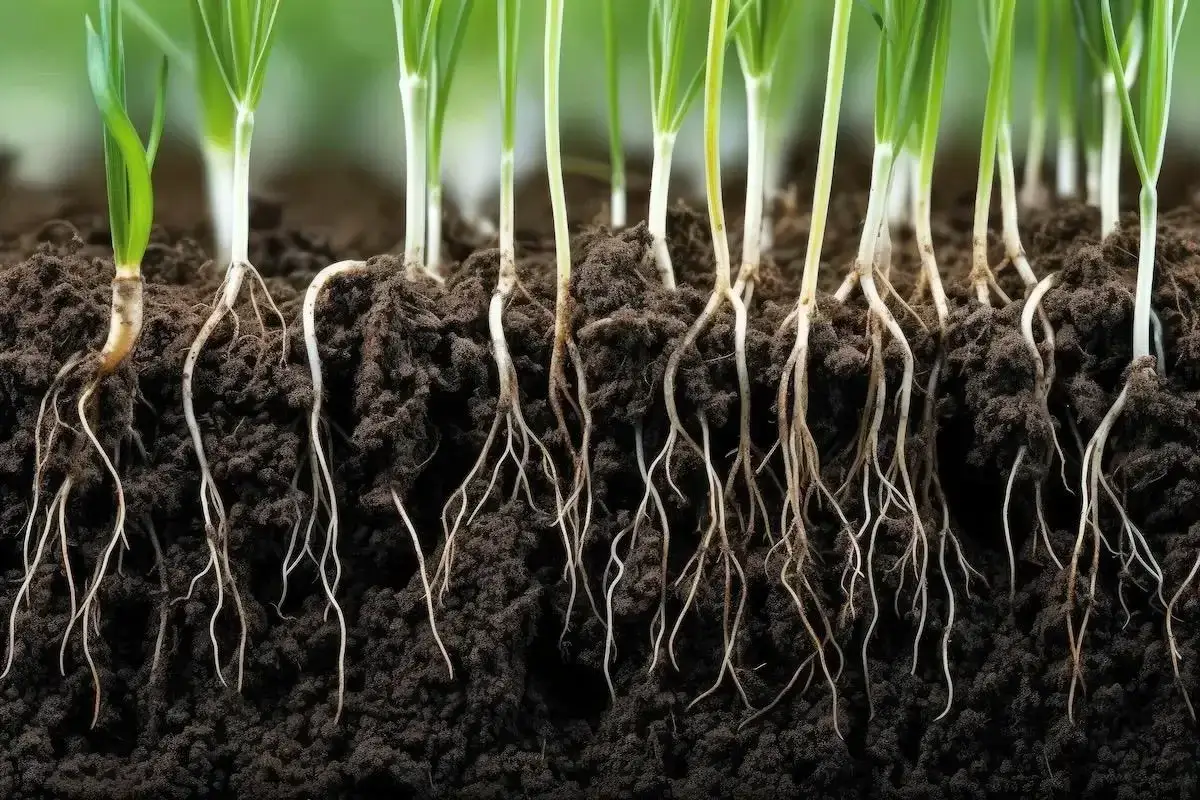
Phosphorus is one of the key nutrients during the early stages of plant growth. It plays an important role in energy transfer, cell division, and root system development, helping plants establish themselves more effectively after planting.
Phosphate fertilizers, such as monoammonium phosphate (MAP), monopotassium phosphate (MKP), and superphosphates, are among the commonly used phosphorus sources in agriculture.
Monoammonium phosphate supplies plants with nitrogen in addition to phosphorus and is commonly used in early-stage nutrition programs. Monopotassium phosphate is a source of both phosphorus and potassium and can be applied at different growth stages depending on the plant’s nutritional requirements.
An important consideration is that phosphorus has limited mobility in soil. Therefore, the application method and placement of phosphate fertilizers are particularly important, especially in soils with high phosphorus fixation.
4. The Importance of Potassium in Flowering, Fruit Development, and Crop Quality
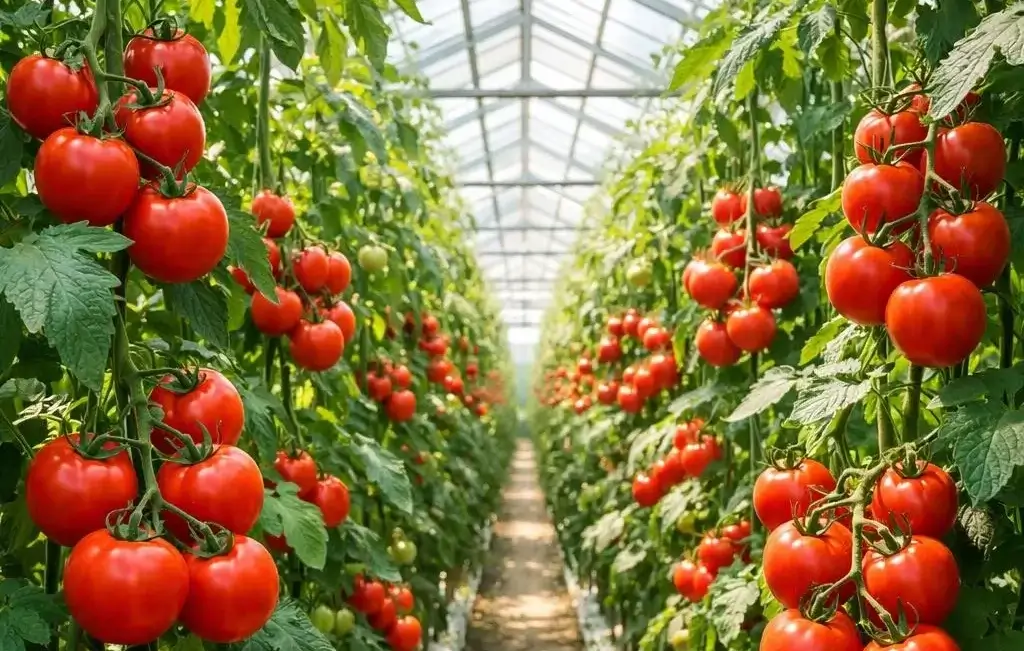
As plants enter their reproductive stages, their nutritional requirements change. In many fruit crops, vegetables, and field crops, potassium plays an important role in regulating physiological activities and improving crop quality.
Potassium contributes to the regulation of stomatal opening and closing, sugar transport, osmotic pressure regulation, and increased plant tolerance to certain environmental stresses.
Commonly Used Potassium Fertilizers
Potassium Sulfate: A source of potassium and sulfur used in many agricultural crops, particularly where chloride management is important.
Potassium Nitrate: A source of nitrate nitrogen and potassium that can be used in the nutrition programs of orchard and field crops.
Monopotassium Phosphate: A source of phosphorus and potassium that can be used at different growth stages according to the plant’s nutritional requirements.
Adequate potassium supply can help improve crop size, color, flavor, and quality characteristics. However, the extent of its effects depends on the plant species, environmental conditions, and the nutritional status of the soil.
5. The Role of Micronutrients in Increasing Agricultural Productivity
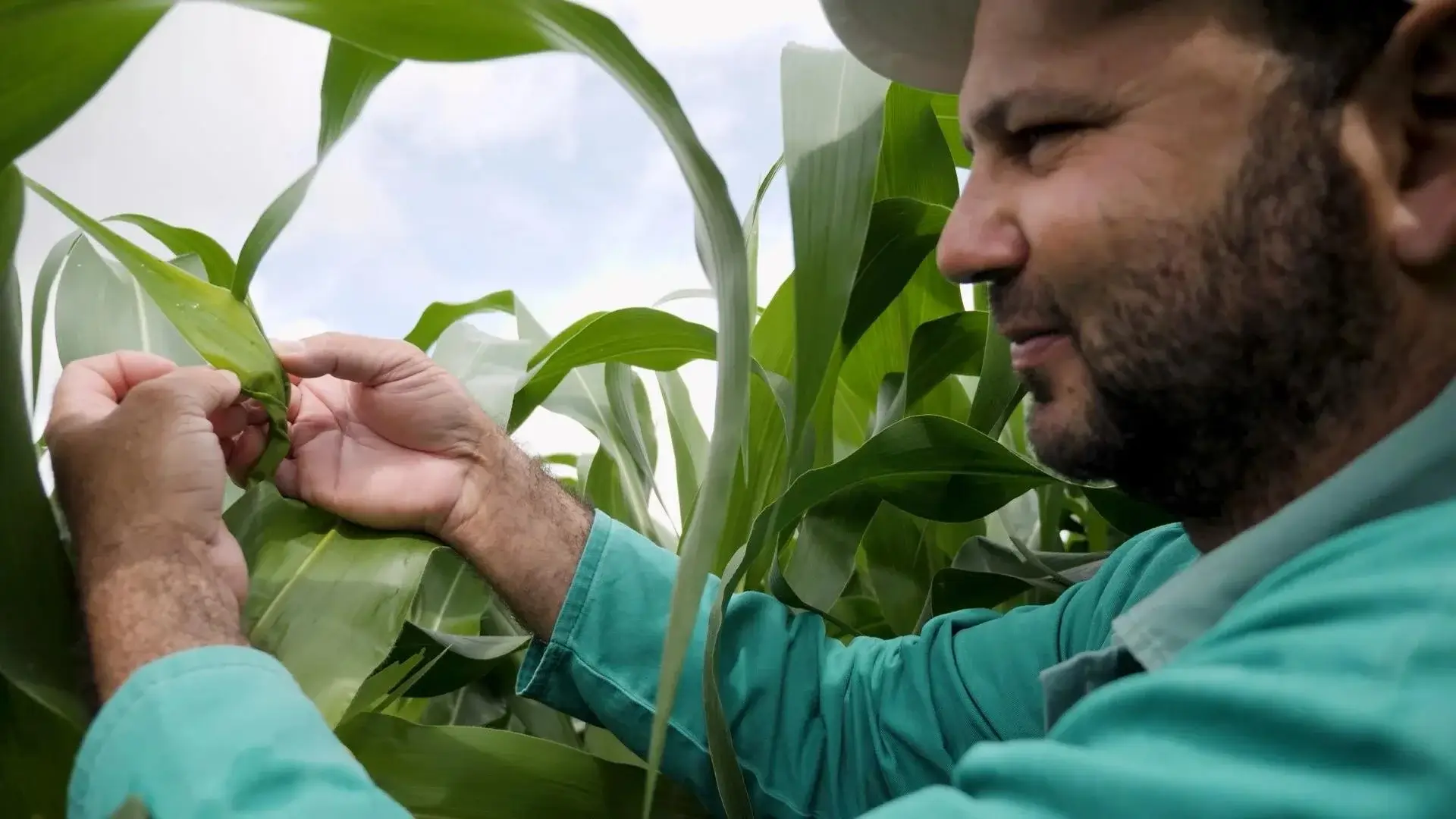
Despite the small quantities required by plants, micronutrients play an important role in growth and crop production. Deficiencies in these elements in many agricultural soils, particularly calcareous and alkaline soils, can become a limiting factor in plant productivity.
Key Roles of Plant Nutrients
Iron: Involved in chlorophyll synthesis and electron transport processes.
Zinc: Plays a role in enzyme activity and the regulation of plant growth.
Boron: Supports meristem development, cell wall formation, and reproductive processes.
Manganese: Involved in photosynthesis and enzyme activity.
Copper: Plays a role in enzyme activity and oxidation-reduction processes.
Micronutrient fertilizers are produced in various forms, including mineral sulfates, chelated compounds, and water-soluble fertilizers.
The selection of an appropriate source depends on factors such as soil pH, irrigation water quality, application method, and nutrient availability for plant uptake. For example, in calcareous soils, the use of suitable chelated iron sources can help improve iron availability under specific conditions.
6. Choosing the Appropriate Fertilizer Application Method
In addition to fertilizer type, the application method also affects nutrient uptake and the efficiency of the fertilization program. The three common fertilizer application methods are:
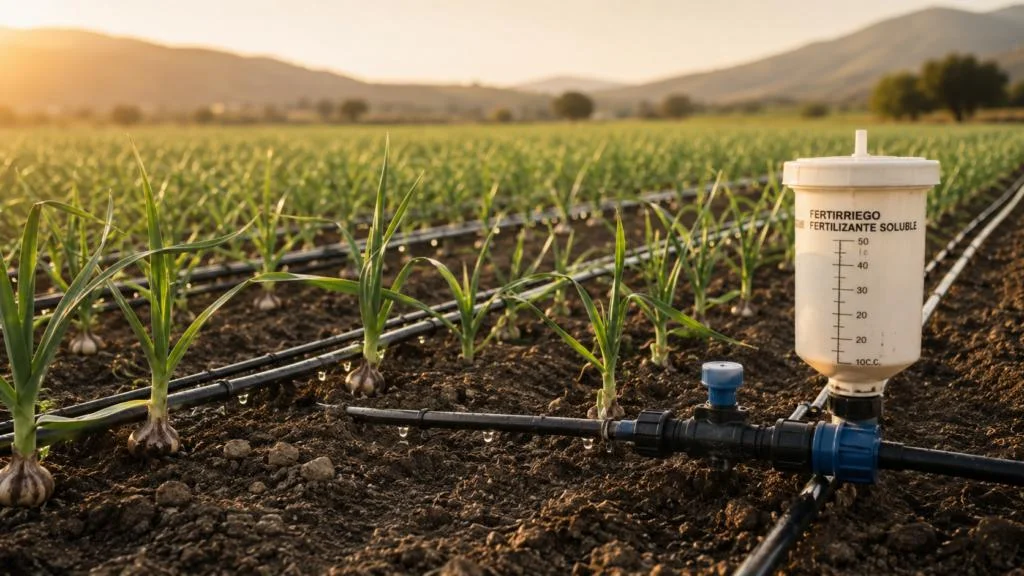
Fertigation
In this method, water-soluble fertilizers are delivered to plants through the irrigation system. Fertigation allows for the gradual distribution of nutrients and better control over application timing.
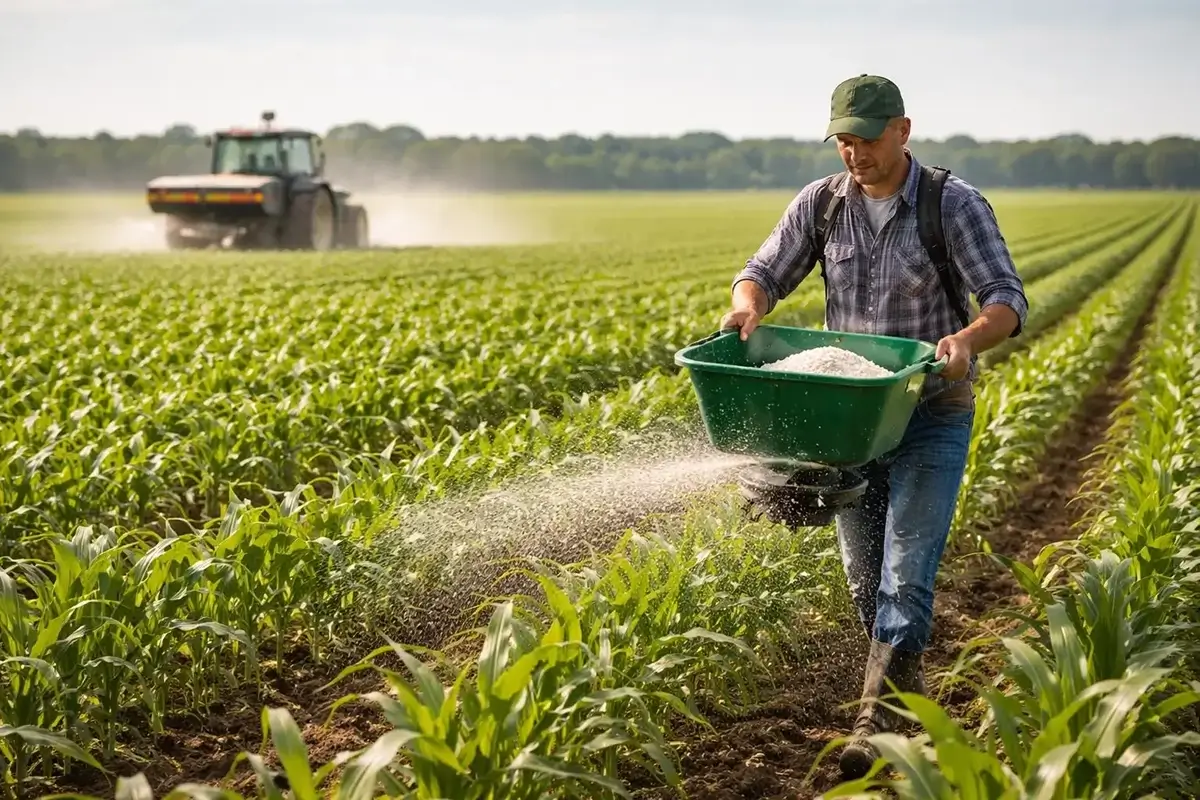
Soil Application
In this method, fertilizer is placed on the soil surface or at a specific depth within the soil. The appropriate placement depends on the fertilizer type, soil characteristics, and the plant’s root system.
Foliar Application
Foliar application can be used to supply certain nutrients quickly and correct specific nutrient deficiencies. Before application, the solution concentration, weather conditions, and plant sensitivity should be carefully evaluated.
None of these methods is suitable for every fertilizer and crop. To achieve optimal results, fertilizer solubility, compatibility with other compounds, and the technical conditions of the farm must be taken into consideration.

7. How to Develop an Appropriate Fertilization Program
A well-designed plant nutrition program should be based on the actual nutritional requirements of the crop rather than a general recommendation. Several factors must be considered:
- Soil and Water Testing: Determining pH, salinity, and nutrient status helps identify nutritional limitations.
- Understanding Crop Requirements: The nutritional needs of wheat, corn, pistachios, citrus, and greenhouse crops differ. Fertilization programs should be tailored to each crop.
- Considering the Growth Stage: The type and quantity of nutrients should be adjusted throughout the growing season according to the plant’s requirements.
- Managing Application Rates and Timing: Properly splitting fertilizer applications throughout the season can improve nutrient uptake efficiency under many conditions and help prevent nutrient losses.
- Evaluating Environmental Conditions: Soil texture, rainfall, water quality, and irrigation methods influence the choice of fertilizer source and its application method.
Following these principles helps farmers meet plant nutritional requirements while preventing excessive fertilizer use and its environmental consequences.
Conclusion
Choosing the right fertilizer for each stage of plant growth is one of the fundamental principles of nutrient management in modern agriculture. Nitrogen supports vegetative growth, phosphorus contributes to root development and energy transfer, potassium regulates physiological activities and improves crop quality, and micronutrients support essential biological processes in plants.
However, achieving optimal crop yields cannot be accomplished simply by selecting a particular fertilizer. Developing a fertilization program based on soil and water testing, understanding crop requirements, choosing appropriate application methods, and following recommended application rates are all essential practices that can improve fertilizer use efficiency and agricultural product quality.
Using agricultural fertilizers according to plant requirements is an effective approach to promoting sustainable agriculture, improving resource efficiency, and producing higher-quality crops.